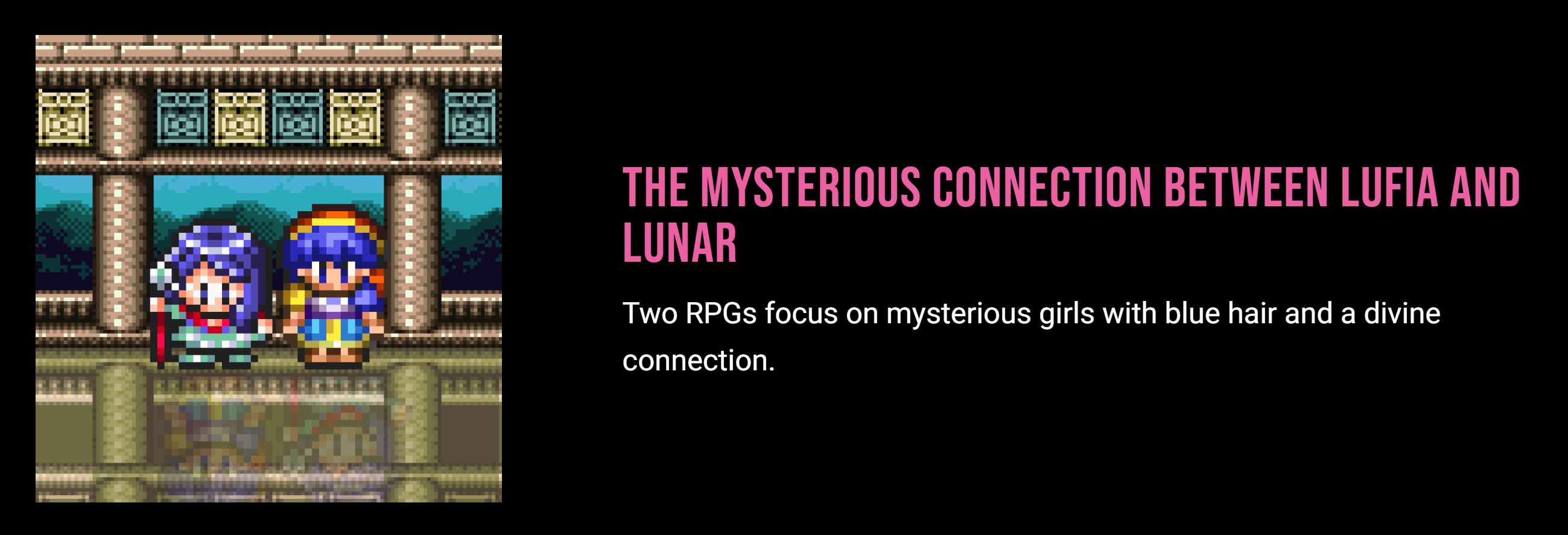
Over at Thrilling Tales of Old Video Games, the author notes a number of parallels between Lunar: The Silver Star and Lufia and the Fortress of Doom and asks: what's up with that? Well, friends, we've already answered this: it's Ys, as detailed copiously here. Lunar and Ys, as noted by the poster quoted here, shared some personnel, and Lunar took a hell of a lot of Ys's plot points, including the red-haired, sword-swinging hero and the naive blue-haired girl with a yen for him who's really an incarnation of a goddess. As for Lufia, the article asserts that the game began life as a PC-98 title, and it is impossible to overstate in the Japanese PC market around that era how Everything Is Ys or Hydlide (or eroge with curiously-intricate art).
I will note, though, that despite the parallels described by the author of that blog post, I've never found Lunar and Lufia ripoffs of another, really. Part of that is due to some very salient differences in the development of their respective parallel twists, as players familiar with both games will well know. Part of that, though, is What the Stories Are About is very different, and told in markedly different ways. But that...is a story for an upcoming post. (Or a revision of this one? Stay tuned.)
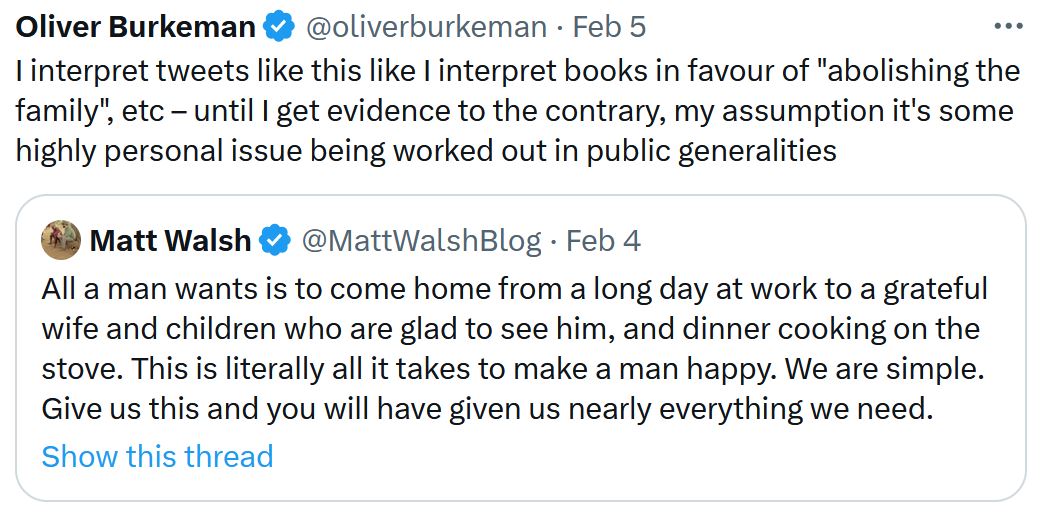
There are two types of fan arguments I assume are highly-personal issues being worked out in public generalities:
- When people get very insistent that well-regarded Western-developed shows (Avatar, Castlevania) should be classified as anime
- When people get very aggressive about what qualifies as "retro," usually accompanied by "YOU ARE NOW OLD" memes (yes? what do you want me to do about it?)
In the first case, I think it's some weirdly-derived inferiority complex involving being from a Western society yet having so much of their formative entertainment produced in Japan. I don't see why this is a problem at all—maybe, in the case of fans from the U.S., they're so used to life in the culturally-dominant society that having some of their entertainment not be produced domestically feels wrong to them, and something that has to be corrected; maybe, like the Western devs driven to take over traditionally-Japanese franchises, they feel they have to (or, at least, their society has to) produce the Exact Same Stuff as, or replacements for, the Japanese stuff they loved in childhood in order to have "made it" as creators and prove they're just as good—a sort of parental complex, with Japanese creators as the parents whose approval must be gained or who must be replaced. In any event: I skew toward reserving "anime" for stuff produced in Japan, but I'm not sure why it matters. If a show's good, it's good, regardless of origin.
The second, I think, is a plain age crisis. The people in question feel uncomfortable about seeing games they played at certain life milestones getting into double digits and what that means for their own age, and they think, like Shiori from the Utena movie, that if they make enough people feel bad about the same thing, that they won't feel bad, or at least will feel distracted from feeling bad by trying to spread hate and misery, or something. I can see both sides of the source argument here: that, obviously, consoles once new will eventually be outdated as time inevitably passes; and that "retro," in some gaming circles, refers to a certain style or styles of games identified with the consoles and arcades of the early '80s and '90s, and that the "anything older than ten years" label is kind of uselessly broad.
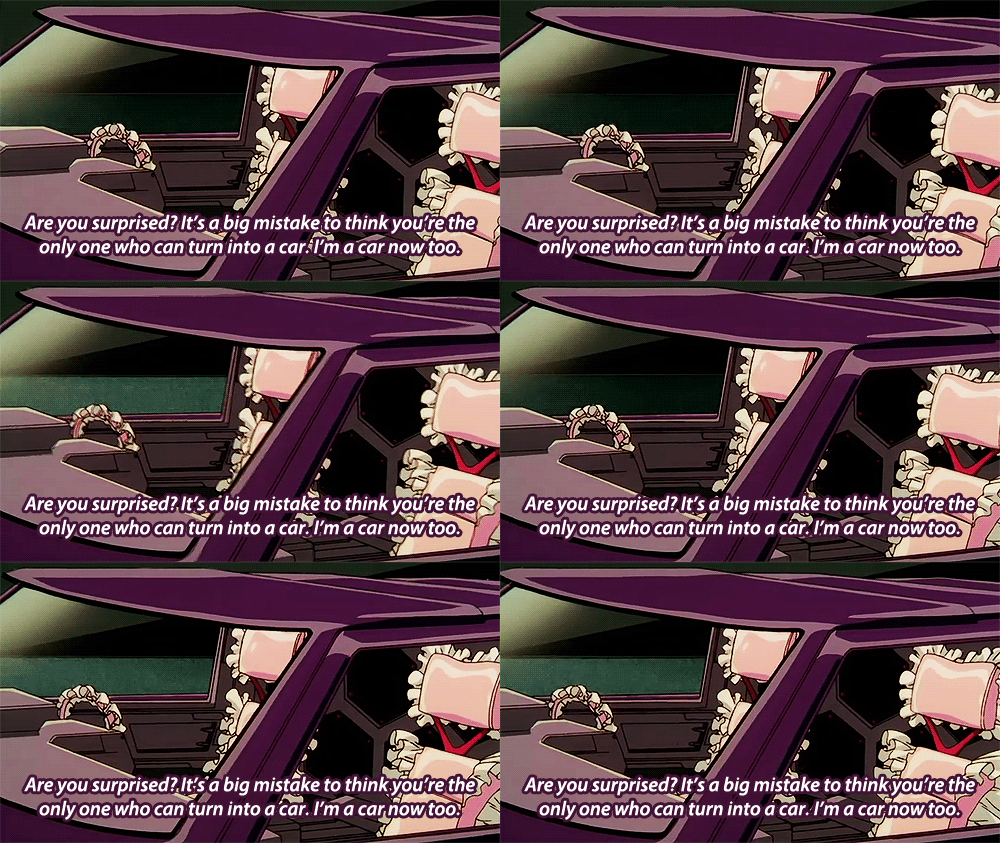
Hmmm. Guess that's three sides. Time for a distraction in the form of a timely gif:
Also: "I have serious misgivings about Belmont's Curse." (OK, that's not as catchy and widely-applicable as the other "Also"s.)
The past Summer Game Fest season was terrific! It seemed to have announcements and good news for everyone. (And not just because of my own announcements!) The Code Veronica remake, and the newfound prominence given to the title and Claire as the remake team figures out how to handle RE5 and 6, helped me decide to get a PS5 (used, right before everyone else thought of it!). It's disappointing that Until Dawn 2 doesn't have the same acclaimed writer as the original, but I'm willing to see where they go with this "documentary horror in paradise" concept. Folks actually got a Kingdom Hearts IV trailer! Ah, I see my newfound fave has jumped to a new, twinkier body. Give me back my beast! Did you know that if you preorder Silent Hill: Townfall, you can get an '80s pastel radio?!!?

I am not exaggerating when I say this was the clincher in my decision to get the PS5. (On a serious note, I think that the various current devs' decision to break with Silent Hill the town proper, leave it as a legacy title, and explore Otherworld scenarios across time, life circumstances, and the globe is very wise, injecting new blood into the core series concepts and putting 1–4 aside inviolate on a shelf and pedestal, where they belong as genre-foundational titles and unique, induplicable achievements.)
But one game was a big letdown for me, and that was Castlevania: Belmont's Curse. I don't have the huge problem with the art style others do (with one exception, which I'll address). Trevor's older design, and the design of the protagonist, looks great. It's precipitated a great resurgence in Castlevania fanart for characters new, recurring, and otherwise. But I have some major misgivings about the direction they're taking. (Spoilers from the promo and prerelease material behind the cut.)
Also, "You need to know when you're an NPC."
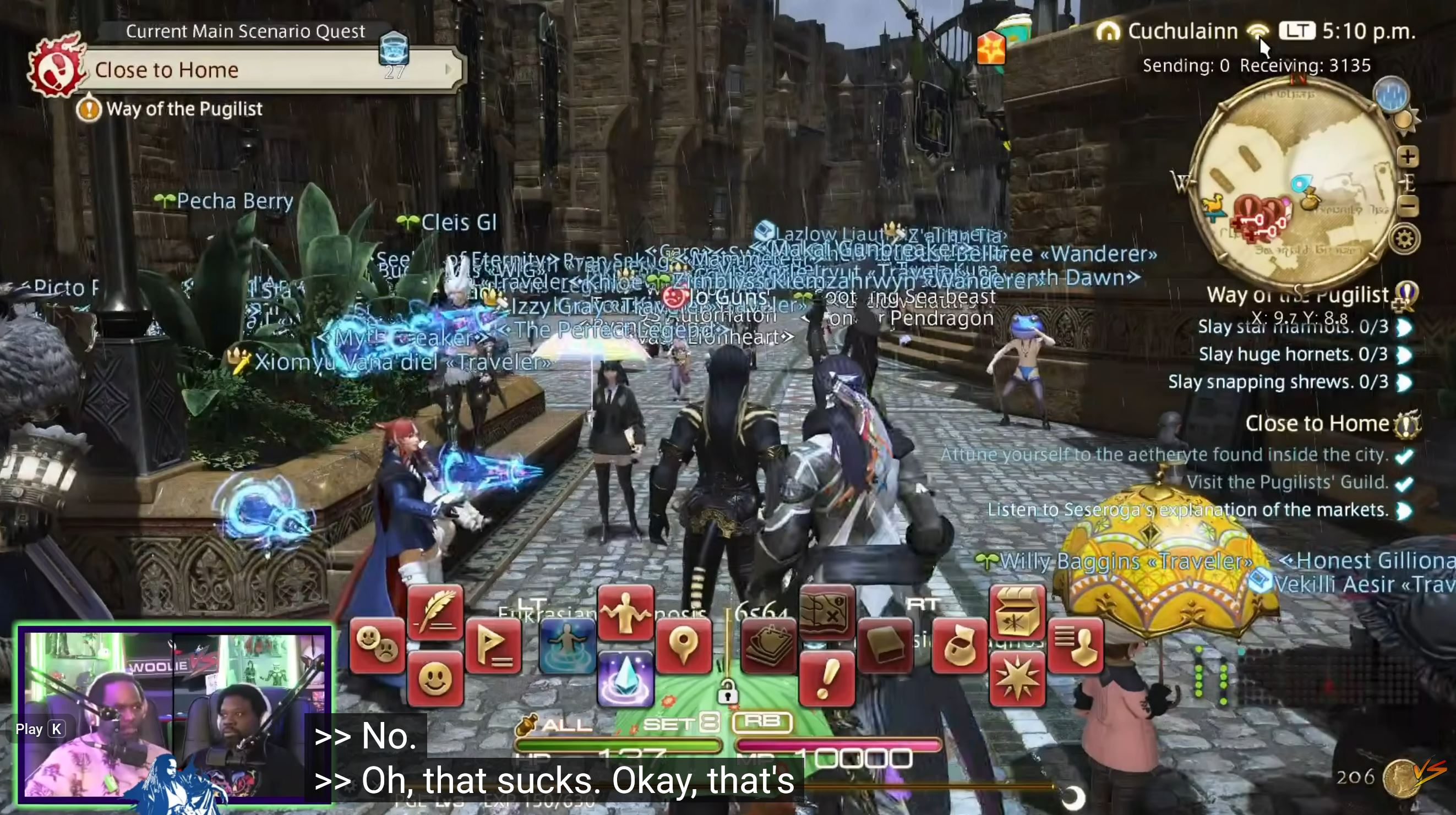
A couple months ago, FFXIV fan Pat Boivin, of Two Best Friends Play and Castle Super Beast, tried to get his cohost Woolie Madden into the game. They announced they'd be streaming his experience, which was probably a bad idea, as the starting area was flooded with "welcoming" committees, would-be mentors - people who wanted to take over his experience for him. There were also dozens of folks gathered around to unleash flashy emotes, to jump up and around Woolie so their character & guild name would be visible on the stream, etc. The crowd derailed the experience and was the primary point of discussion immediately following the video.
This brings to mind a few things I've noticed about humor in fandom circles recently that I'd like to discuss.
The first is the wisdom contained in a post on that great mass of humanity known as Reddit, about a wedding guest who wanted to wear to the ceremony a theatrical, attention-getting dress festooned with messages that were meant to be supportive of the couple but could have been construed as offensive. The wisdom of the crowd advised against wearing the dress, with the best answer, I feel, below:
"People need to understand they're basically NPCs at a wedding unless they're immediately close with the bride and groom and even then they're just background characters."
In other words: you need to understand when an event is not about you. Here, the event was supposed to be about Woolie, as he (theoretically) reacted to a well-known game beloved by the podcast fanbase. Some attention-hungry people instead made it about themselves, to the point where they stopped the actual event from proceeding. (At least initially; there have been subsequent installments, unseen by me.)
I don't think they thought they were being rude, though. I think they thought they were being genuinely funny, even when they were stopping things from happening and preventing someone they ostensibly loved from enjoying the game. Which brings us to my second point.
A lot of fandom people believe they can't be bullies because they themselves were bullied or ostracized in their youth and have internalized that they are permanently on the "victim" side of that dynamic. If anything, like the hordes besieging Woolie, they think they're cute. Cuteness typically is associated with innocuousness - non-threateningness, a lack of power. These folks genuinely believe that their behavior could never hurt anyone - they're not capable of hurting anyone! They're victims, after all!
So: Even if you think you're cute, even if you've been the victim of jerks in the past, you yourself can still be a jerk. If someone tells you to stop, stop.
My third and final point has to do with the problem of humor. Running jokes are perhaps (next to puns) fandom's favorite form of humor, with "commit to the bit" the guiding rule. (To continue the Giant Bomb theme from last time, think of all the people who respond to any mention of Jeff Gerstmann with "STILL A THREAT! STILL A THREAT! BRAWK BRAWK BRAWK".) I think the appeal here can be explained: humor usually takes a good deal of social skill - you have to hit with the right timing, consider how your audience will receive your joke, deliver your joke well, read the room and vibes before and after, etc. etc. (And you have to think of a joke besides!) Social skills can be a challenge for some fandom folks.
Running jokes, however, seem to bypass all this. All you have to do is repeat what someone else did before. It appears to be the most rock-solid, Skinneresque 1-for-1 correlation between effort and reward: Someone else said this, and people thought it was funny. If I say it, people will think I'm funny, too! You don't even have to think up an original joke! You just have to parrot. Commit to the bit, and a reliable payoff of social acceptance and positive attention is seemingly assured.
That's not correct, of course. A joke that was funny the first, second, or third time is rarely as funny the 423rd. (If it is funny that 423rd time, it's usually because the teller has given it a twist with content, timing, etc. - which requires skill.) Sometimes a joke is funny for a bit, but the humor eventually runs out, or the group or your host wants to turn their attention to something else now - like playing the headliner game on the stream. A bit of #1 still applies here: Even running jokes require a degree of social awareness for success, and you need to know when you need to put aside what you want to do, or being the center of attention, to allow the group activity to proceed.
So: Committing to the bit does not automatically make you the funniest person ever. It can be unfunny, rude, and kill a group activity dead. Unfortunately, you still have to read the room in humor, even if reading the room is difficult with all the gamertags in the way.
Page 2 of 62
