2025 was not a great year for me. Highlights included the loss of a relationship with a close family member after helping them through a protracted illness, a home break-in, and someone trying to throw me down a flight of stairs. Thankfully, games were there to remind me there are better worlds than this. All three of the titles below are my games of the year, in different ways.
Note: I'm going to be updating this throughout the day and possibly beyond. I'll remove this message once this entry is complete.
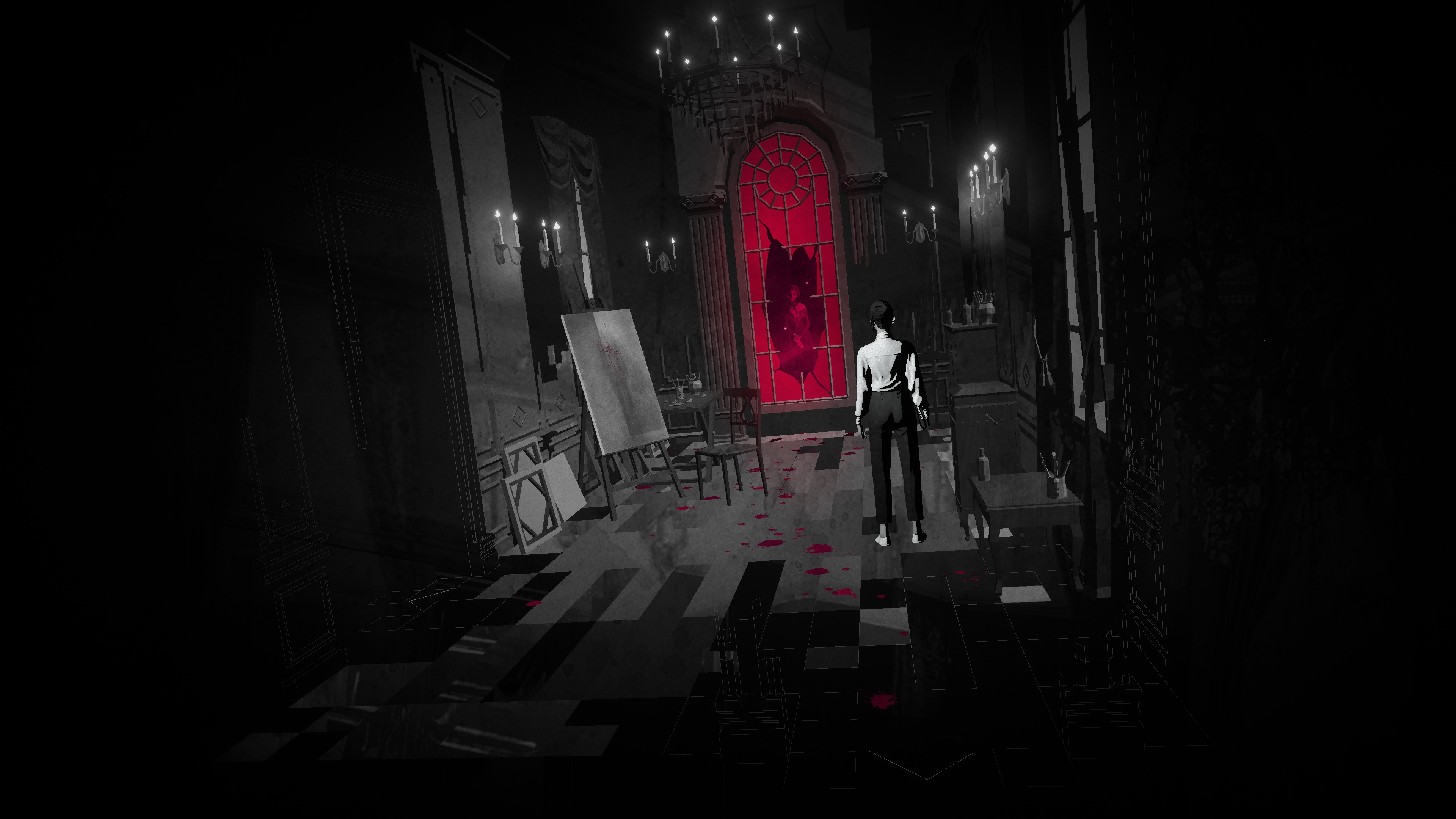
MY GAME OF THE YEAR (QUALITY): I remember while playing this pausing to think, with awe, how video games had evolved from largely Alex-in-Lunar-esque power fantasies to a medium that could offer something like Lorelei and the Laser Eyes, telling the tale of a thriller-horror-love/hate story through the aesthetics of German expressionism and the medium of number puzzles. Contrary to what supergreatfriend said in his own praise, I would argue that yes, it is doing a killer7, that level of complexity and symbolic sublimation in its storytelling, just with a personal relationship instead of political drama. It's like playing a film. It looks killer. It succeeds in several visual milieu (black-and-white-shocked-with-pink film, CRT text adventure, PS1 early-polygonal surrealism). The atmosphere oozes style, but also mystery and menace. It's intellectual but satisfies the aesthetic senses. And the puzzles are pretty dang good.
I will add one caveat here, and it's a big one: I haven't finished this. I ran into an admittedly less-than-brilliant section asking you to traverse a big maze twice, paused my playthrough for a bit, and then real life intervened. If my opinion changes upon finishing it, I will update this post. But: this is a tale for adults, and I mean that not in the trite "video games aren't just for kids anymore" manner but in regard to the sophistication of its visuals and delivery, the respect for its audience, and the subject matter under examination. The sixteen hours I've played have been sleek, slick, and smart as hell.
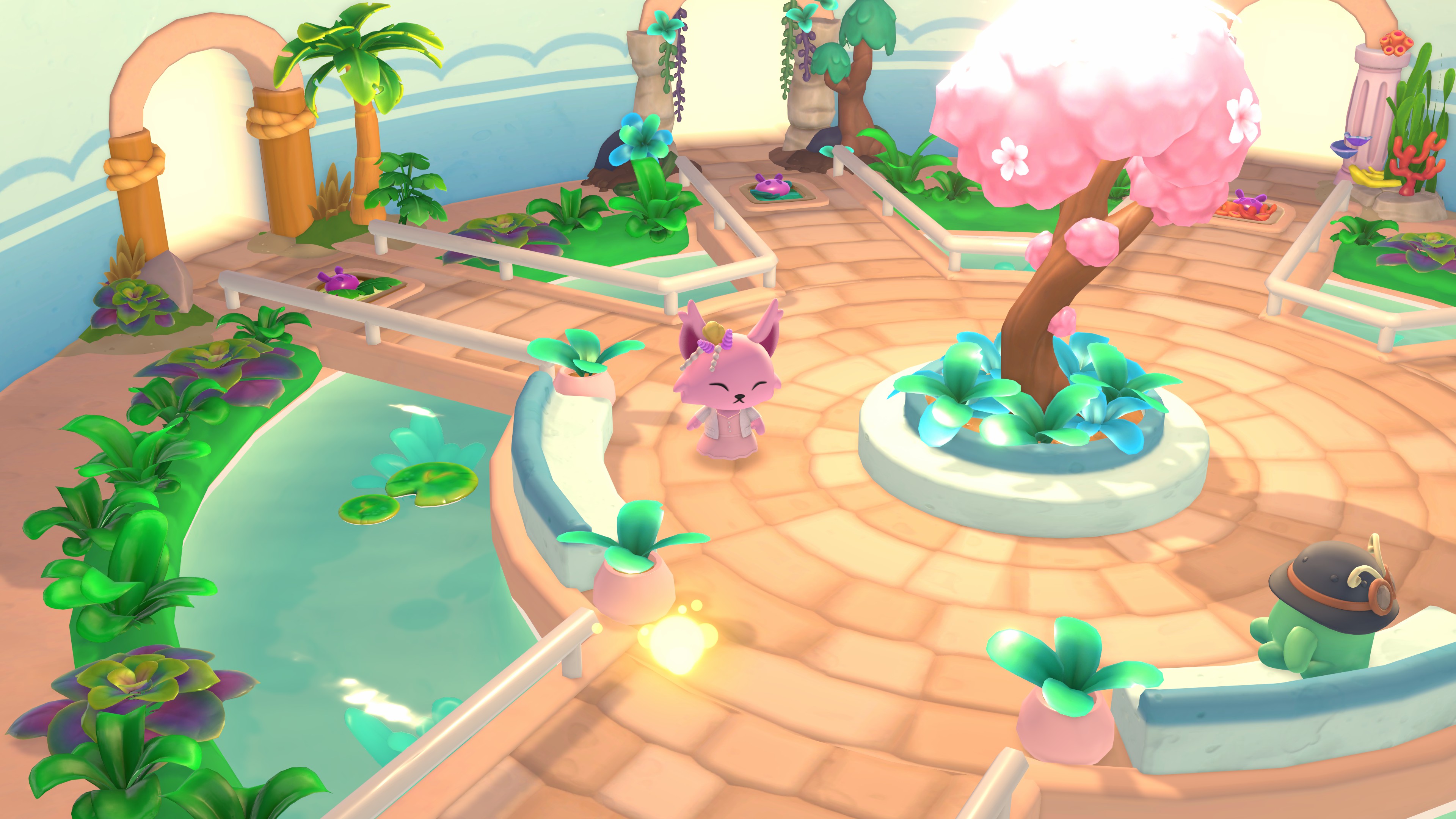
MY GAME OF THE YEAR (REFUGE): As far game concepts go, "Animal Crossing with Sanrio characters" is one of the more natural fits. Now, granted: the mechanics in Hello Kitty Island Adventure are extremely gentle and forgiving (from forum posts, the game's a popular choice for parents to play with their children). You're here largely to explore and spend time in a pleasant place in the company of charming characters. But the game's very good - deceptively good - at encouraging that. The visuals are cute, bright, and happy, like a well-designed playset, with shapes and colors appealingly-chosen - it looks great in a way that's easy to overlook. The writing is funny and self-aware (possible response to quest prompt: "Unsurprisingly, it's up to me to fix the situation") but not snarky or too smart for its own good - it never forgets to center the essential sweetness of the characters and world. And it really does nail the socialization and "second home" aspect. As my own world was falling apart, this became a refuge. Hello Kitty knows. Hello Kitty understands.
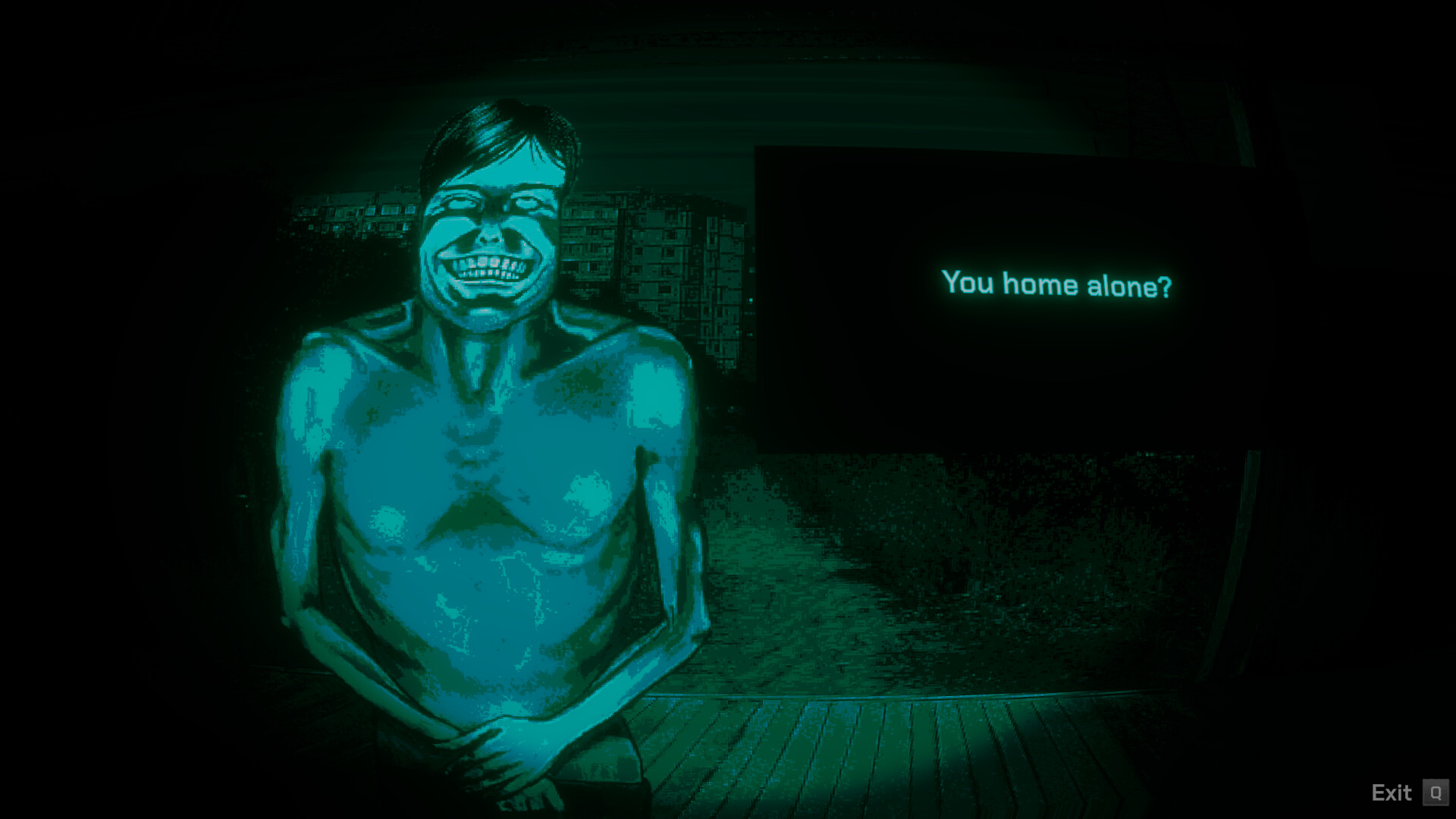
MY GAME OF THE YEAR (THEMATIC): No, I'm Not a Human is the vibe of the year and the game of our times. Solar flare activity is incinerating the unprotected populace during the day, and malevolent entities masquerade as friends and neighbors. The government is powerless at best and a band of marauding thugs at worst. At night, a barrage of strangers knocks at the door of your isolated farmhouse for refuge. How to tell friend from foe? You have some second-hand information, but nothing reliable beyond your gut, which will inevitably lead to imperfect choices. Your own past isn't safe, either. Even if you somehow muddle through, is it even worth surviving in this world? No, I'm Not a Human is bleak as fuck but somehow comforting, working the now-familiar vibe of monitoring the progress of the apocalypse from your home, elevated by the bizarre, ever-threatening surveillance monitor-green aesthetic and the slice-of-life personal stories from fellow survivors, or predators, among the ruins.
More thoughts on the year below!
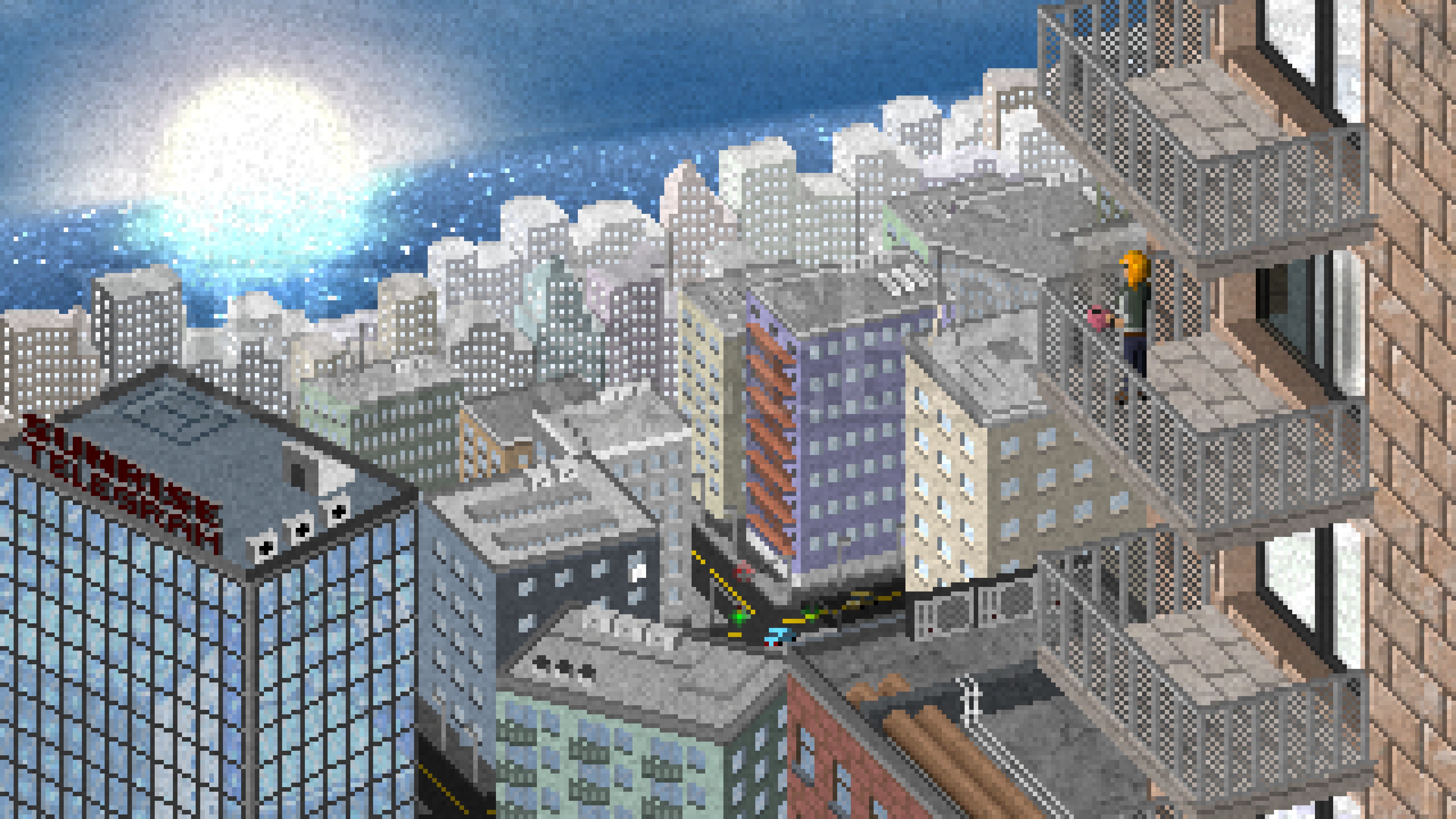
HONORABLE MENTION: I was watching a playthrough of Deep Sleep: Labyrinth of the Forsaken on John Wolfe's channel, and when Silksong's release interrupted the LP release schedule - well, I couldn't wait to see find out what happened; I had to buy a copy and play through it myself. This is an RPG-adventure game-horror hybrid, and it executes well on all three fronts. You're exploring a series of nightmare dreamworlds in search of your brother, making progress by solving adventure-game puzzles but regularly confronting RPG enemies. Combat revolves smartly around marshalling your limited focus to envision and materialize a series of limited-use tools and weapons to defend yourself. You're given a wealth of info about your foes - HP, turn order, upcoming attacks - but instead of stat overload, it places the necessity of making smart tactical choices in your overmatched situation front and center, making it all the more gratifying when a series of well-considered decisions pays off. Though there are a few bumps, it's a remarkably successful blend of mechanics from genres likely to appeal to the same audience. It delivers aesthetically, too: the pixel art is...well, just look at it - and there are some genuinely creepy sequences, and visuals, and narratives in the notes. (See some here.) A smart, stylish, satisfying surprise unlike anything else I've encountered gameplaywise.
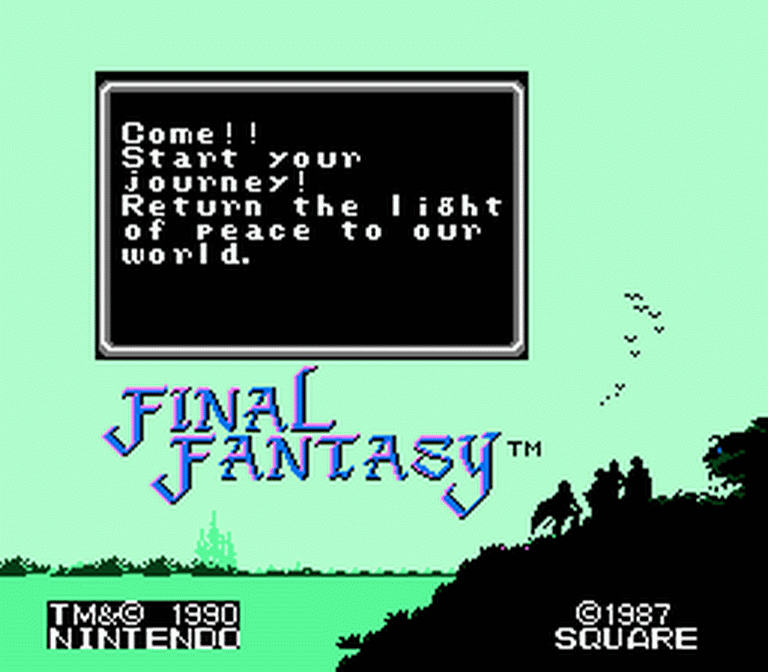
OLD FAVORITE THAT TURNED OUT TO BE GREAT STILL: In a post from a few years ago where I thought about my relationship to the Final Fantasy series, I wrote that despite enjoying it as a kid, I doubted I needed ever to play FF1 again. Well, along came a BEC entry from Jeff Gerstmann's NES ranking project on the game (he much prefers his childhood fave of Dragon Warrior) that compelled me to sit down and play through the damn thing again. And it was good! Good to an extent that honestly surprised me and my favorable predisposition to the title - both in just plain fun and in how smartly it's designed. Even the much-derided bit where warriors will wave their weapons at air if the enemy they've been assigned to attack is defeated before they get their turn has a purpose - forcing you to think about enemy HP, each character's damage output, and likely turn order when giving your party their marching orders and adding tactical interest to press-A RPG combat in 1987, before that was considered a problem. The playthrough gave me a newfound appreciation for the game - it gets better, not worse, under close inspection and plays like a hearty meal.
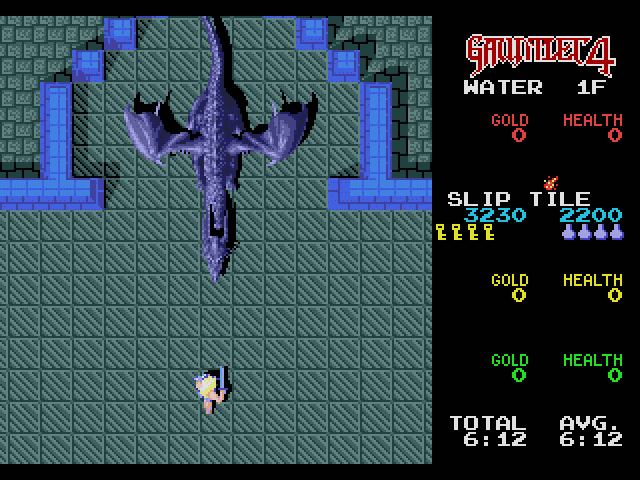
OLD NON-FAVORITE THAT DIDN'T QUITE HOLD UP: I finally made an attempt at the action RPG campaign in Gauntlet IV hailed as making the Genesis title an essential version of the game. I love Gauntlet's gameplay, and the RPG premise seemed to promise everything I wanted out of the franchise, but the execution is wanting. I have to admire the sheer gumption on display: like Cinderella with her homemade dress, the devs assembled an entire campaign solely out of preexisting Gauntlet assets (the gnome enemies serving as shopkeepers, etc.). The results, though, play like the phenomenon noted by VGJunk in this Legacy of the Wizard article, where some early games aren't programmed quite correctly and pulling off the correct, expected moves to proceed feels you're glitching the game into progress. (Look up how to use the teleporters, or you're going to be stopped cold sooner or later.) You ran into this frequently enough with NES cartridges, but the 16-bit era is a little too late to be encountering this phenomenon, and Gauntlet IV comes off as the slapdash production it, frankly, is as a result. My run was ultimately stopped when the boss of the second tower proved a huge damage sponge, and the gameplay thus far didn't inspire me to pull off the long, tedious spate of projectile-dodging it demanded or risk speccing my Valkyrie in the wrong direction, so I just fell off the farm. I hope we get an RPG incarnation of traditional Gauntlet someday (the 2015 version is closest), but this limited version just doesn't have what it takes to achieve it.
OLD NOT-FAVORITE I FINALLY GOT: I wrote previously about giving Super Metroid a whirl (through emulation) and it not clicking. Well, I gave it another shot this year on my Switch, and it finally worked for me. I can't put a finger on why. I didn't miss the grappling beam this time, which is what stopped my first run cold (though I totally see why I overlooked it the first time around). I did appreciate the beatiful silence and translucent visuals of the sea area. I had fun uncovering all the Metroidvania secrets, and I didn't find a lot unreasonably hidden this run. Real Life™ intervened around just before I went off to fight Ridley, so he is still lurking in his lair in my save file. I don't think I'll ever have the affection conventional wisdom has for this title, but it's good to at last fill a gap in my gaming knowledge without animosity.

TITLE I LIKED BUT ABOUT WHICH I HAVE LITTLE INSIGHTFUL TO SAY: I enjoyed The Roottrees Are Dead, as you probably did. The fake internet search mechanics are strong, and the writing is frequently funny. I liked the folk song ("These Times") they created for the game. I enjoyed the author's memories of browsing Mortal Kombat fan sites somewhere around 1995 (same!), as well as the description of a late-'90s memorial website as "just a picture...with a sad MIDI piano playing in the background." I also liked the bit of poignancy at the main campaign's ending. (I enjoyed the hearty bonus Roottreemania campaign but found it a bit seedy and a *little* patience-trying.) I do have a bit of reservation about how obvious the Obra Dinn and Her Story pastiche is - just a little! - and its light is therefore slightly lesser in my eyes than its more original genre contemporaries, but I ate this up during my playthrough, and you shouldn't hesitate to play it if you have any interest in what it's selling.
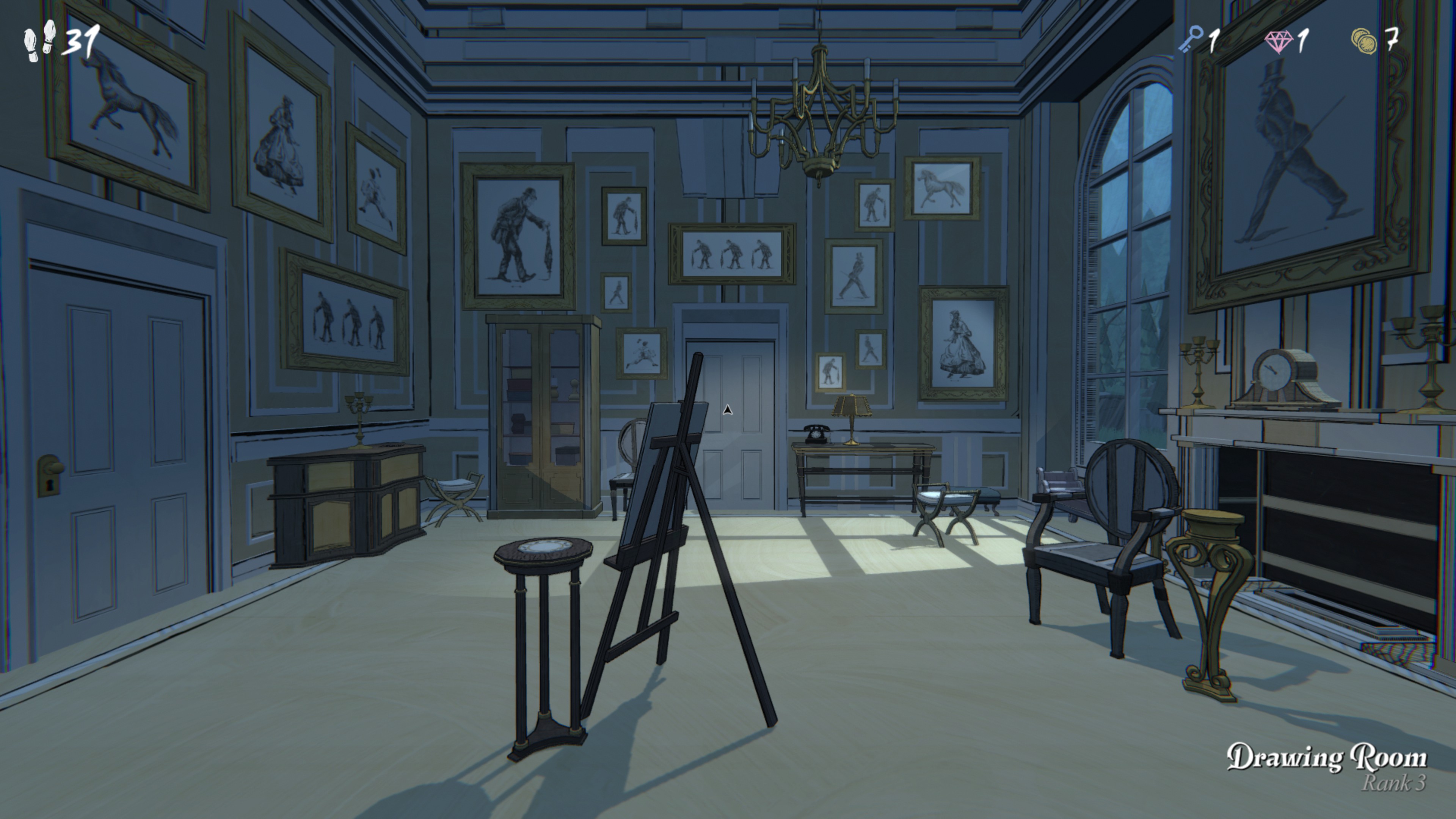
RANT-INDUCING DISAPPOINTMENT OF THE YEAR: I have to agree with Pat from Super Best Friends: your opinion of Blue Prince will depend very heavily on how kindly the RNG treats you. Pat describes the central problem with the game here, but in not-so-brief: you are moving through and solving a big puzzle mansion you "draft" room by room. The selection of rooms you can draft each turn is limited: by your location in the overall floor plan (some rooms spawn only in certain places), by resources - stamina or keys or currency - and, above all, by RNG. You're presented with three choices from an overall pool of 80+ rooms for each tile, but not all three may be a viable option for your next move: you may not have the resource required, or a room's doors may open into walls or dead ends on your map, halting your progress. Once you've run out of total exploration stamina or have drafted yourself into nothing but dead ends, you end your run and restart on a new in-game day with a completely blank floor plan and empty pockets.
The problem here is that solving the puzzles that allow you progress to your ultimate goal (you're looking for a hidden room on the estate) depends on having the right combinations of items (which show up, fairly rarely, based on RNG) and the right combinations of rooms. So you may have figured out that you need to use the masking tape at the shed to get the cat hair for the moustache, but the game may take 10+ runs to spawn the masking tape and the shed and the cat all on one floor plan. You're doing typical point-and-click stuff, but your progress is gated not only by knowledge and wit but by a very time-consuming RNG-powered waiting game.
The usual retort here by the many hyping this title as a GotY contender is that you need to solve other puzzles in these "dead" runs - but getting the right elements for those puzzles is also reliant on RNG. Smart gameplay will get you only so far, as the given strategy the game is currently rewarding is also RNG-dependent; I'd focus on getting currency but would run short of keys; I'd have a pirate's trove of loot (27 gems!) but would run out of stamina; I'd try to get across the map as quickly as possible but would draft nothing but dead ends or rooms I couldn't afford; I'd try to fill every room and cultivate multiple paths up the map but run out of resources - and vice versa for every scenario.
Progress was just too slow, and kept getting ripped away with unreasonable expectations like Lucy ripping away Charlie Brown's football. I'd come away from hour-plus runs with just one piece to one puzzle I wouldn't be guaranteed to have the opportunity to solve in even a dozen subsequent plays. I'd finally get to create extremely-rare items and have my run end without the chance even to try to use them. I'd see Otzdarva and John Wolfe in their LPs get reveals and info and room combos in their first few days I wouldn't even glimpse for a couple weeks.
Were I smart - not "solve the puzzles, peon" smart but "looking at the big picture" smart - I would have concluded that I was not getting the RoI I needed as a gainfully-employed adult and withdrawn. I instead powered through to the ending in the closest approximation I have ever had of hate-playing. Rattling off the litany of ridiculous wastes of time I encountered along the way would be exhausting, as detailing the ludicrous requirements for progress is exhausting. (Suffice to say, that even after fulfilling the ridiculous requirements for the hidden room and knowing exactly what I had to do - just find a certain RNG-generated key and cross the board to the Antechamber - it took six additional runs before the game would deign to put me out of my misery.) I appreciate that others had a much better experience with Blue Prince, and it indeed has potential for greatness - but the nature of its design prevents some from reaching it. If you leave so much of your game to random chance, some players are just gonna roll snake eyes.
(Two addenda: a) While the game is remarkable in its complete lack of noticeable loading outside startup, it has a lineart-heavy visual style and overwhelmingly blue-grey palette that came off to me as very sterile. We've had a few of these elaborate puzzle-box titles now, and in addition to their differing degrees of success in gameplay execution, I'd much rather look at the eye-popping LCD psychedelia of Animal Well or the cute & colorful Tunic than this. b) I cannot recall feeling less engaged with a game's story than I was here. It is populated with genealogical figures and dry historical events that did not come to life for me at all. It was completely, mystifyingly inert, and I mean that in the chemical sense.)
"AND NOW IT ALL MAKES SENSE" DISCOVERY OF THE YEAR: That said: near the end of my by-then miserable experience with Blue Prince, I ran across a room I glimpsed only once in my travels - a Gallery populated with surreal art that, to my delight, was drawn by the artist behind MAZE, a favorite childhood book of mine. I give an overview of the book's charms here, but it's a visual puzzle marked not by the brilliance of its solutions but by the sense of menace in the illustrations and text. Despite motions in the latter direction, it's a work of atmosphere, not rules and logic.
MAZE is the story of a group of hapless travelers attempting to make their way through a labyrinth, accompanied by a guide who likely doesn't have their best interest at heart. The guide is hinted to be the Minotaur - not heavily, but enough, particularly given the book's theme, that you'd be able to pick up on it (allusions to his "wild" childhood and the stories generations have told about his family, with one of his parents "lowborn, but the other...close to a king"; musings that "we are all of us animals...at least in part"). Well, to make a very long story short, a bit after a particularly-obsessed fansite dedicated to unraveling MAZE launched, a group of posters from the site's message board, encouraged by the maintainer, started a podcast to discuss the possible identity of the guide. This seems a slight matter on which to hinge a podcast, but the site maintainer had claimed he'd figured out a shocking truth on this front, which he promised to divulge after suitable speculation. The podcast took a curious approach to its goal, though: analyzing seemingly every number and letter and symbol in every single illustration in the book, while eliding the overt hints in the narrative. Consensus, and the site maintainer, eventually settled that the guide was Satan, a conclusion with which they were unsatisfied but they could find absolutely no way around, save for one that involved actual reading. Those of you reflecting that Satan has only one "parent" in Christianity, among other self-evident objections, might not be surprised that it took nothing short of an intervention from Christopher Manson himself to set this group straight.
The reason why I'm telling this story: the devs of Blue Prince collaborated with the podcast hosts and website maintainer on the game. (The latter provided promotion for the game's prototype as early as 2016, as well as playtesting, talent procurement re: Manson, and, most crucially, formative feedback and ideas.)
Suddenly, the game made perfect sense. Blue Prince is totally the title a group that dedicated a years-long podcast series to dissecting perceived cryptography in images to the point of apophenia but lacked the literary chops to ferret out elementary school-level mythological references would make. Of course the puzzle mechanics are completely time-blind, have no respect for the player's time, and lack anything approaching adequate payoff. Of course the game is deficient in aesthetic appeal or a single shred of dramatic sense. This is the product of a 20 Intelligence, 1 Wisdom roll, of a flourishing left brain but a lobotomized right, of souls that know no poetry, only code. As I said in that Tumblr post I linked, I'm glad that a group of folks was inspired by MAZE to create a new work that brought enjoyment to many, and I feel the game is an undeniable achievement in certain senses, but, though I'm still dismayed, I'm no longer surprised that the devs sat at the feet of one of the great triumphs of atmosphere but had eyes only for its greatest failing.
MOST MEMORABLE MOMENTS: Three here:
I wish that Type Help (now being reworked as The Incident at Galley House) had a better ending. It just kinda gives up, without caring to offer a denouement that makes even perfunctory sense. The premise, though, is killer (SPOILERS, highlight to reveal): a phenomenon affecting a group of acquaintances at an isolated manor where they die one by one, but the survivors forget the identity of and their relationships with the deceased once they die. This is revealed in an initially-tender scene between an engaged young couple: they begin to make love on a bed, but the man becomes more disoriented, his awareness hazier, as the scene progresses; it ends with him holding a dead woman he doesn't recognize in his arms. Following the mindset of the man as it happens - as the fiancee goes, in a completely cozy and intimate setting devoid of apparent threat, from most-dearly beloved to utter stranger and object of terror - makes the reveal uniquely horrific, showing that the idea here was so potent and special that the author should have waited until he hit upon a denouement that did justice to it. I hope the remake addresses this.
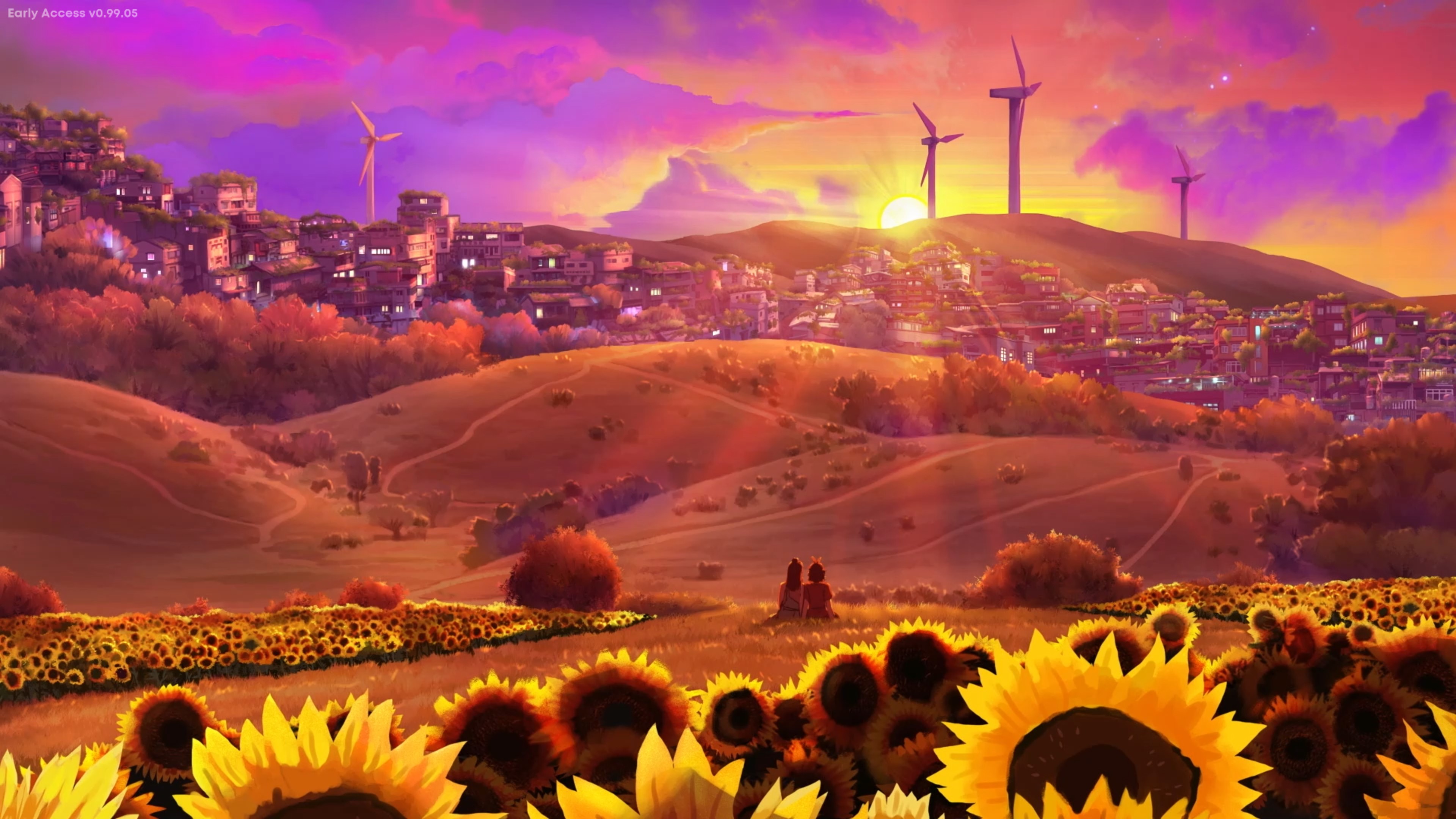
I discuss it at length here, but I'm still not sure the ending of Cook Serve Forever, though wise in terms of perspective, was wise in terms of franchise health. I'm glad Vertigo Games was bold enough to make the statement, but with some distance, I can say the downer elements of the ending predominate in memory. That said, the heroine's dream reunion with her mother ("I wish we had more time." "That's how you know it was good"), and her sitting with her girlfriend watching the sunset, having found her own meaning in life, stuck with me emotionally in a way little else did this year.
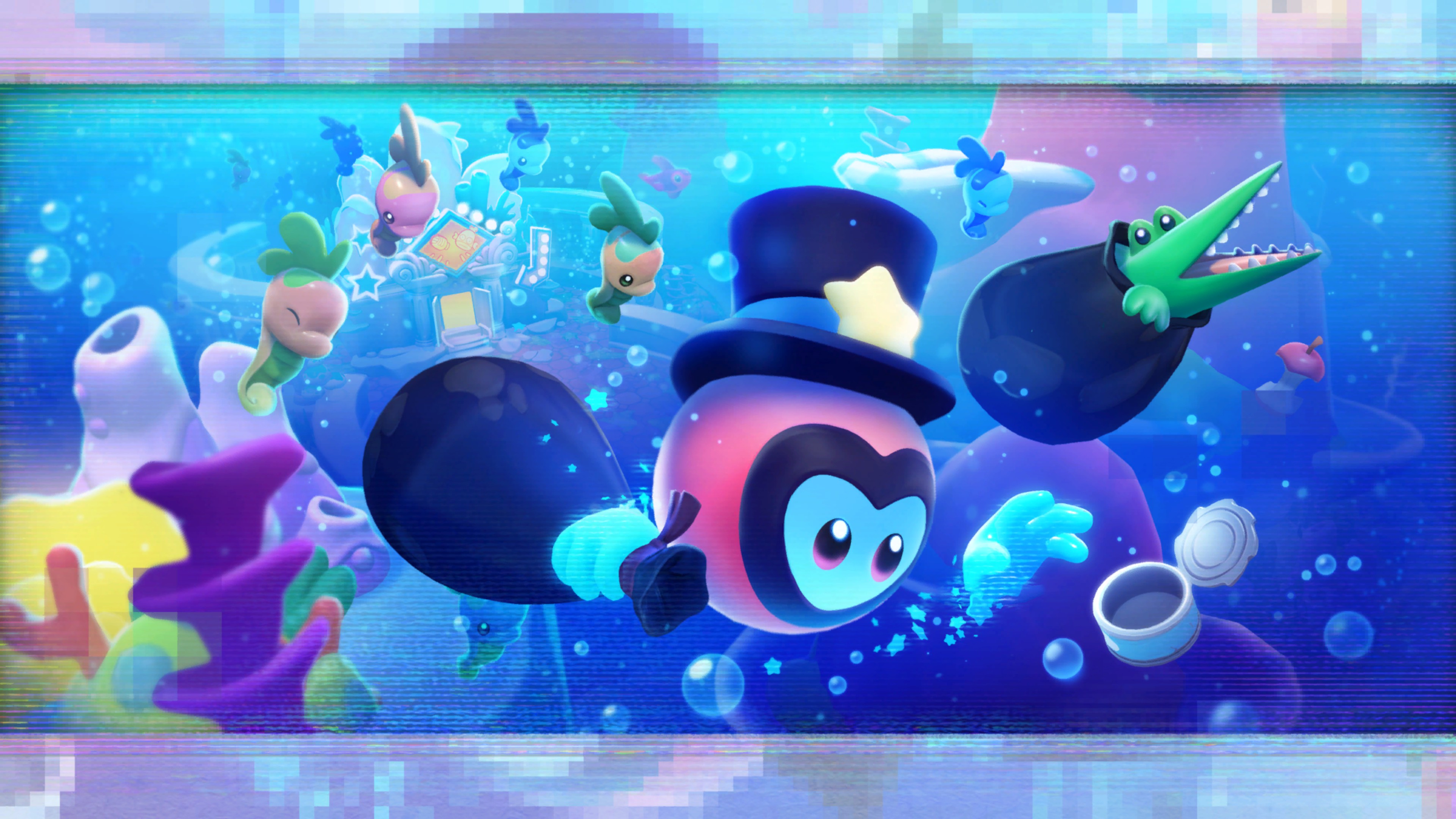
Finally, the initial campaign of Hello Kitty Island Adventure ends with a Sanrio-wide attempt to rescue the best friend of the amnesiac AI who designed the island paradise. As the final fragment of the AI's memory slides into place, he recalls the identity of his friend, whose image is filled into the AI's recollections of them together. Now, I understand now this fellow was an obscure Sanrio character - that's kind of the joke, after all. But at the time, my only familiarity with him was through his...larger internet reputation, so when I saw the memories completed, I thought: That's who's stuck up here? The meme alligator?!
I have more to say here—that'll probably be posted on January 1st. In the meantime, have more reflections over the course of the year:
